 Save
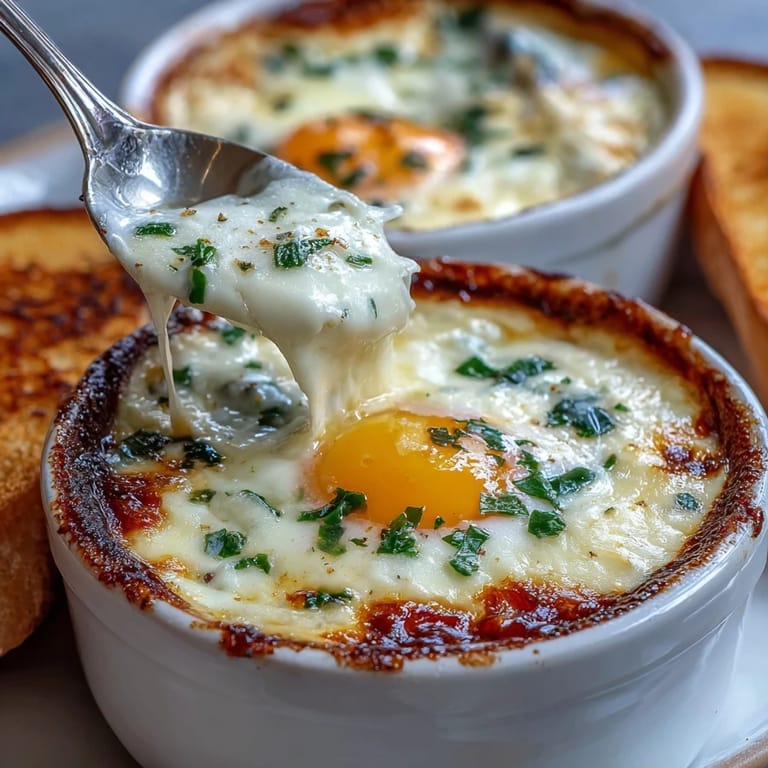
Save Steam beaded up on the kitchen windows as I whisked cream, herbs, and a hint of parmesan together one chilly spring morning. The sizzle of butter greasing the ramekins almost drowned out my anticipation for these eggs en cocotte. There’s something magnetic about the ease—a few delicate ingredients layered just so, then baked gently until the custard is just set. The aroma of fresh thyme and chives transports me straight to a countryside brunch, even if I'm still in my slippers at home. These baked eggs carry all the elegance of a French café, but none of the fuss.
The first time I baked these for friends, I nervously peeked through the oven door every two minutes, worried the yolks would turn solid. Somebody burst out laughing when I used the term “en cocotte” with my best faux French accent. Watching everyone scoop up those silky eggs with toast turned the morning into a kind of celebration, mismatched mugs and all.
Ingredients
- Unsalted Butter: Makes the ramekins nonstick and adds a luscious richness—don’t forget to dot on top for extra creamy flavor.
- Heavy Cream: Gently cushions the eggs as they bake, creating a velvety base—use the best cream you can find, it really shines here.
- Grated Parmesan Cheese: Sprinkled both under and over the eggs, it gives a burst of umami and a delicate crust—freshly grated melts better than pre-shredded.
- Large Eggs: The star—crack gently for beautiful, unbroken yolks, and bring to room temperature for the most even cooking.
- Fresh Chives: Bright, oniony bites that make the custard sing—snip with scissors right before using for ultimate freshness.
- Fresh Parsley: Lends a leafy freshness and rounds out the flavor; flat-leaf parsley is my go-to for a softer texture.
- Fresh Thyme Leaves: Just a little goes a long way—rub between your fingers to wake up their natural oils before sprinkling in.
- Salt and Freshly Ground Black Pepper: Essential for drawing out the creamy, savory notes—you’ll need less than you think, since the parmesan is salty too.
- Optional Extra Chives or Parsley (Garnish): Adds a pop of color just before serving, making the dish look as inviting as it smells.
Tired of Takeout? 🥡
Get 10 meals you can make faster than delivery arrives. Seriously.
One email. No spam. Unsubscribe anytime.
Instructions
- Warm Up the Oven:
- Set your oven to 375°F (190°C), and get a kettle of water boiling—the steam bath is the key to perfectly tender eggs.
- Prep the Ramekins:
- Swipe each ramekin with butter so the eggs glide out easily after baking.
- Creamy Base:
- Spoon 2 tablespoons of heavy cream into the bottom of each ramekin for a silken foundation.
- First Layer of Flavor:
- Scatter half the chopped herbs and a pinch of parmesan onto the cream, letting the colors mix together like confetti.
- Add the Eggs:
- Crack 2 eggs into each ramekin with care—press the shell gently on the counter to keep the yolks blissfully intact.
- Final Toppings:
- Sprinkle on the remaining herbs and cheese, a tiny pinch of salt and pepper, and a couple dots of butter for a glistening finish.
- Bain-Marie Set Up:
- Place the ramekins in a deep baking dish and carefully pour the hot water around them, halfway up their sides, without splashing any inside.
- Bake:
- Transfer to the oven and bake 12–15 minutes—the whites should be just set and the yolks still shimmering, unless you like a firmer egg, then add a few more minutes.
- Let Them Rest:
- Remove ramekins from the water, let rest for 2 minutes, then finish with more herbs if you like a burst of fresh green.
 Save
Save I realized how special these eggs had become the afternoon my partner walked into the kitchen led solely by the scent of melted butter and chives. We barely made it to the table, sharing forkfuls straight out of the ramekins, laughing over the silky mess and declaring it the most decadent 'quick dinner' we'd ever had.
Brunch Party Success Without the Stress
Since you can prep everything just before your guests arrive, you’re able to actually join in the coffee and conversation while the eggs quietly bake. The water bath keeps things gentle, so worrying about overcooking is mostly off the table. If you’re having a crowd, go ahead and double the recipe—just add a couple minutes to the oven time.
All About the Water Bath
The bain-marie can look intimidating but is truly beginner-friendly; a simple baking dish and boiled water make eggs as silky as a patisserie’s. I learned to pour the water in slowly, preferably with the baking dish already pulled out slightly from the oven, to avoid that nerve-wracking moment when a drop splashes into your eggs. Line the base with a folded tea towel if you want a steadier hand with your ramekins.
Creative Twists in a Ramekin
Try swapping parmesan for sharp Gruyère or even crumbled goat cheese for a change in flavor and texture. The base is endlessly adaptable—layer in cherry tomato halves, roasted peppers, or finish with a sprinkle of smoked paprika if you want a subtle kick.
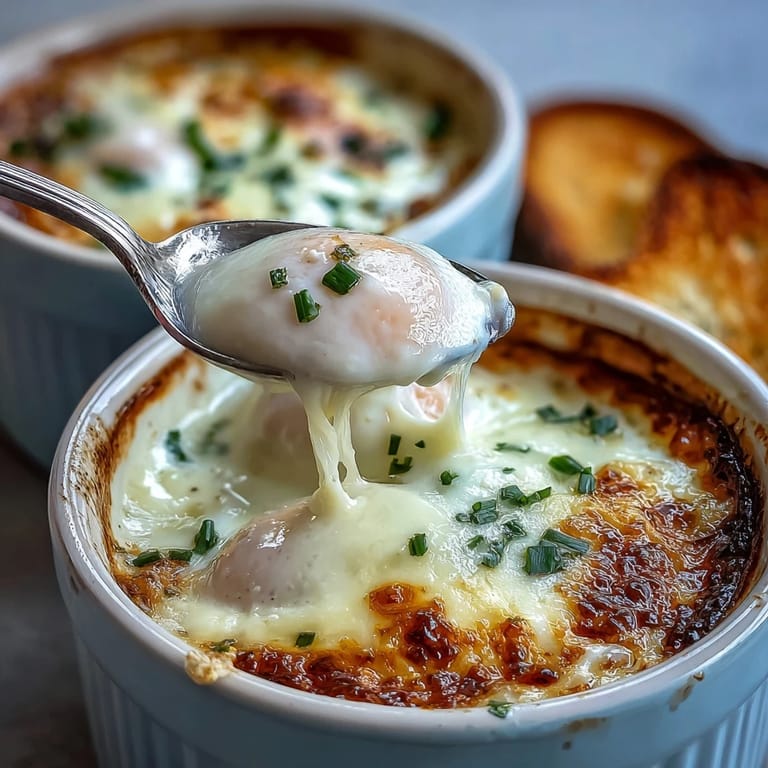
- Let the eggs set slightly before serving for easier dipping.
- Use room temperature eggs for more even baking.
- Don’t skip the garnish—it makes all the difference in first impressions.
 Save
Save However you serve these eggs en cocotte, they’re a promise of comfort and a little bit of celebration in every bite. I hope they find their place at your next leisurely morning.
Recipe Guide
- → How long should I bake the eggs for runny yolks?
Bake 12–15 minutes at 375°F (190°C) in a water bath; whites should set while yolks stay soft. Add 2–3 minutes for firmer yolks.
- → Why use a water bath?
The water bath provides gentle, even heat so the custard sets slowly and the eggs cook evenly without curdling or browning.
- → Can I substitute the parmesan?
Yes—swap parmesan for Gruyère or goat cheese for a nuttier or tangier finish; finely grate so it melts smoothly into the custard.
- → How should I prepare ramekins and serve?
Grease ramekins with butter, pour in the cream, sprinkle herbs and cheese, then crack in the eggs. Serve warm with toasted brioche or crusty bread for dipping.
- → Can I add spinach or smoked salmon?
Layer sautéed spinach (well drained) or a slice of smoked salmon in the base before the cream for extra flavor and texture—both pair beautifully with the custard and herbs.
- → Any tips for vegetarian diners regarding parmesan?
Parmesan may contain animal rennet; choose certified vegetarian hard cheeses or a vegetarian-style parmesan to keep the dish suitable for vegetarians.