 Save
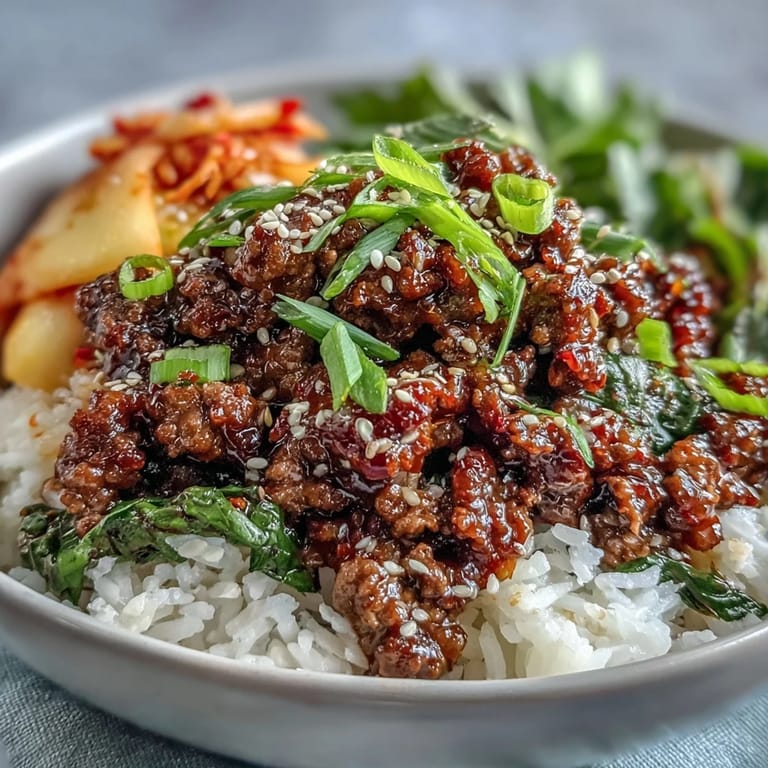
Save The smell of gochujang hitting a hot skillet is unmistakable. It hits you with sweet heat and fermented depth all at once, and the first time I made this bowl, I used way too much and had to open every window in my apartment. My neighbor knocked on the door thinking something was burning, but really, I was just learning how powerful Korean chili paste can be. Now I know exactly how much to use, and that sizzle when the sauce meets the beef has become one of my favorite sounds in the kitchen. This bowl became my weeknight shortcut to bold flavor without the fuss.
I started making these bowls on Sunday nights when my roommate and I would meal prep for the week. Wed line up four bowls on the counter, assembly-line style, and argue over who got more kimchi. Those bowls never lasted as long as we planned because wed sneak bites straight from the fridge at midnight. It became less about meal prep and more about having something bright and spicy to look forward to when the week felt long.
Ingredients
- Lean ground beef: The base of the bowl, it soaks up the gochujang sauce beautifully and cooks fast, though ground turkey or chicken work just as well if you want something lighter.
- Gochujang: This fermented Korean chili paste brings smoky heat and a hint of sweetness that defines the whole dish, so dont skip it or substitute with sriracha.
- Soy sauce: Adds salty umami depth that balances the sugar and spice, and I always keep a bottle of low-sodium on hand to control the saltiness.
- Brown sugar: Just a tablespoon caramelizes with the beef and mellows out the gochujang, creating that sticky glaze that clings to every bite.
- Garlic and ginger: Freshly minced, these two aromatics are non-negotiable for that authentic Korean flavor that fills your kitchen with warmth.
- Toasted sesame oil: A little goes a long way, it adds a nutty richness that regular oil just cant match.
- Green onions: Thinly sliced, they bring a sharp freshness both cooked into the beef and sprinkled on top for color and bite.
- Short-grain rice: Sticky and tender, it holds up under all the toppings and soaks up the savory juices from the beef.
- Edamame: These little green gems add protein and a pop of color, plus they give you something to chew on between bites of spicy beef.
- Cucumber and carrot: Julienned or sliced thin, they provide cool crunch and balance out the heat with their mild sweetness.
- Kimchi: Tangy, funky, and a little spicy, this fermented cabbage is what makes the bowl feel authentically Korean and keeps things interesting.
- Toasted sesame seeds: A final sprinkle adds a delicate crunch and visual finish that makes the bowl look as good as it tastes.
Tired of Takeout? 🥡
Get 10 meals you can make faster than delivery arrives. Seriously.
One email. No spam. Unsubscribe anytime.
Instructions
- Bloom the aromatics:
- Heat the sesame oil in a large skillet over medium heat, then add the minced garlic and ginger, stirring for about a minute until they smell toasty and fragrant. This step wakes up the flavors and sets the tone for everything that follows.
- Brown the beef:
- Add the ground beef to the skillet and use a spatula to break it into small crumbles, cooking until its browned all over and no pink remains, about 5 to 6 minutes. Dont rush this part, a good sear adds texture and flavor.
- Add the sauce:
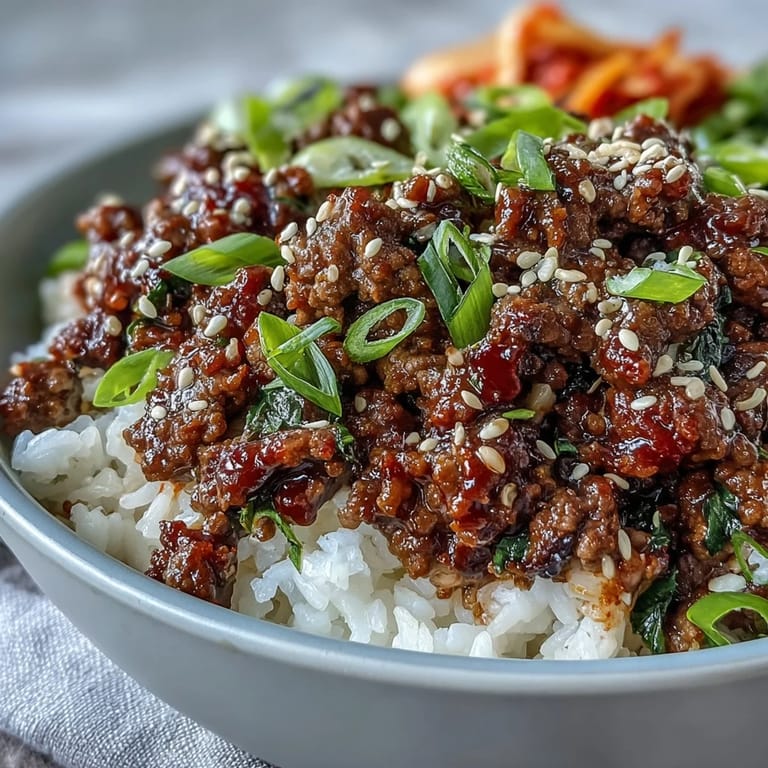
- Stir in the gochujang, soy sauce, and brown sugar, mixing well so every bit of beef gets coated in that glossy, spicy-sweet glaze. Let it cook for 2 to 3 minutes, stirring occasionally, until the sauce thickens and clings to the meat.
- Finish with green onions:
- Pull the skillet off the heat and stir in half of the sliced green onions, letting their sharpness mellow slightly in the residual heat. Save the rest for topping the bowls later.
- Assemble the bowls:
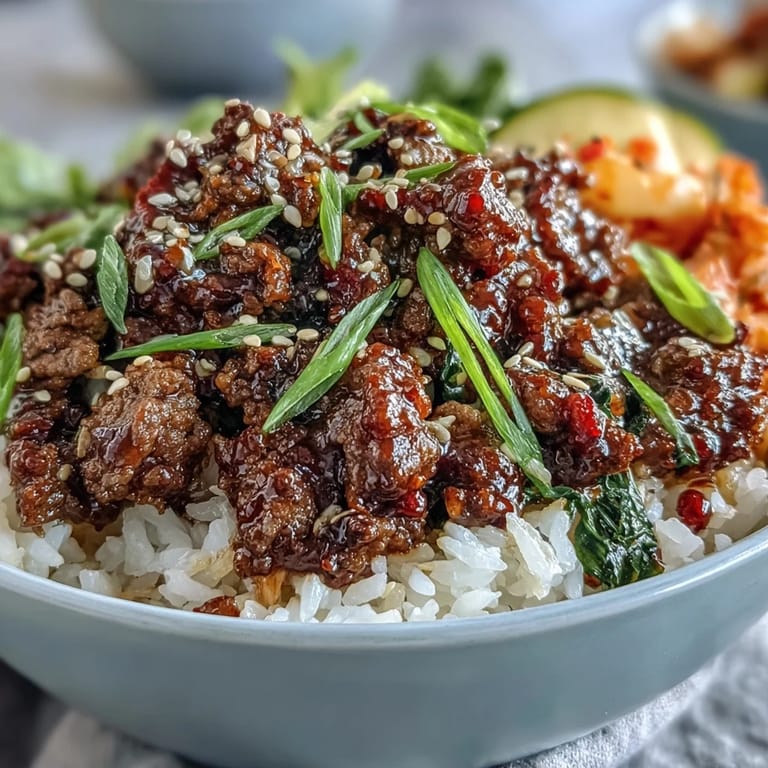
- Divide the cooked rice among four bowls, then arrange the seasoned beef, edamame, cucumber, carrot, and kimchi on top in separate piles for a colorful presentation. Finish each bowl with a sprinkle of the remaining green onions and toasted sesame seeds, then serve right away while everything is warm and vibrant.
 Save
Save One night I made this for a friend who swore she didnt like spicy food, and I watched her nervously as she took her first bite. She paused, eyes wide, then went back for another forkful, and another, until her bowl was empty and she was asking for the recipe. That was the moment I realized this dish wasnt just about heat, it was about balance, and how all those textures and flavors made you forget to be afraid of a little gochujang.
Choosing Your Protein
Ground beef is classic and affordable, but Ive swapped it for ground turkey when I wanted something leaner, and even crumbled tofu when my sister went plant-based for a month. Each version soaks up the sauce differently, turkey stays a bit lighter, tofu gets crispy on the edges if you press it well, but the gochujang glaze is forgiving and makes anything taste intentional. The key is to brown whatever protein you choose until it has some color, because that caramelization is where the flavor lives.
Building the Perfect Bowl
I used to just pile everything into the bowl randomly, but then I started arranging the toppings in sections, and suddenly it felt like restaurant quality. Keeping the cucumber cool and crisp next to the warm beef, the bright orange carrot against the deep red kimchi, it turns dinner into something you want to photograph before you eat. Plus, when you mix it all together with your chopsticks or fork, you control the ratio of spice to crunch in every bite, and thats half the fun.
Storing and Reheating
These bowls hold up surprisingly well in the fridge for up to three days, though I like to keep the components separate so the vegetables stay crisp and the rice doesnt get soggy. When I reheat the beef, I add a tiny splash of water to the pan to loosen the sauce, and it comes back to life like it was just cooked. The kimchi and cucumber I always keep cold and add fresh, because some things are just better when they havent been microwaved.
- Store the seasoned beef in an airtight container and it will actually taste even better the next day as the flavors meld.
- If youre making this ahead, cook the rice fresh or reheat it with a damp paper towel over it to bring back moisture.
- A fried egg on top turns leftovers into breakfast, and the runny yolk mixing with the gochujang sauce is a revelation.
 Save
Save This bowl has pulled me out of more dinner ruts than I can count, and every time I make it, I remember that good food doesnt have to be complicated. Just a hot skillet, a few bold ingredients, and the willingness to let things get a little spicy.
Recipe Guide
- → Can I use ground turkey or chicken instead?
Yes, ground turkey or chicken work beautifully as lighter alternatives. You can also use plant-based crumbles for a vegetarian version. The cooking time remains the same.
- → Is gochujang very spicy?
Gochujang offers mild to moderate heat with a sweet and savory flavor profile. You can easily adjust the amount to control the spice level for your preference.
- → Can I make this gluten-free?
Simply substitute the soy sauce with gluten-free tamari. Most other ingredients are naturally gluten-free, but always check your gochujang label to be certain.
- → How long does this keep in the refrigerator?
The cooked beef and vegetables will stay fresh for 3-4 days when stored in airtight containers. Reheat gently and add fresh toppings like sesame seeds and green onions before serving.
- → What other vegetables can I add?
Sliced radish, shredded cabbage, bean sprouts, or spinach make excellent additions. You can also add a fried egg on top for extra richness and protein.
- → Can I freeze the seasoned beef?
The cooked and seasoned beef freezes well for up to 3 months. Thaw overnight in the refrigerator and reheat with a splash of water to refresh the sauce.