 Save
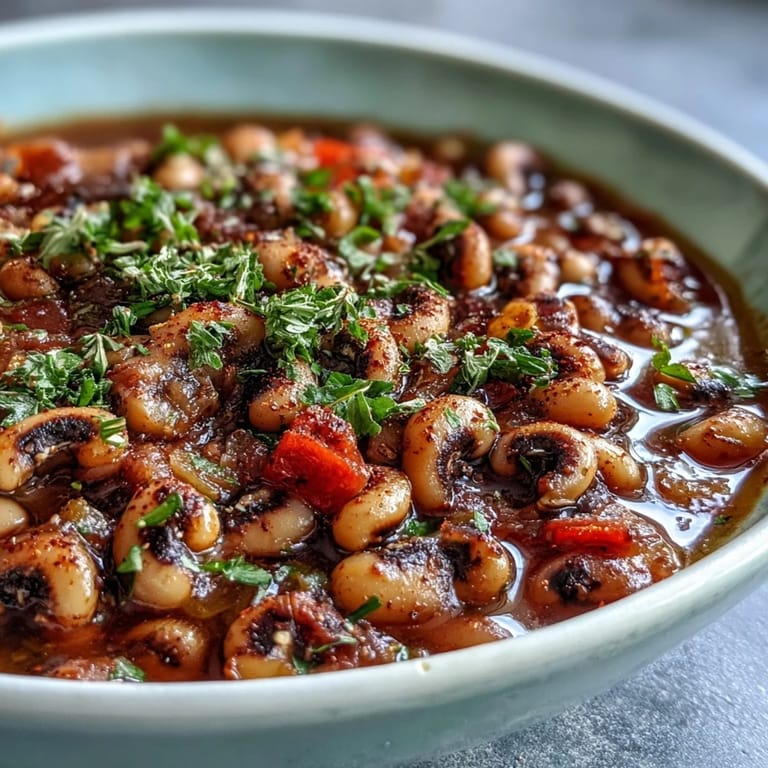
Save My neighbor Maria taught me this recipe one afternoon when she caught me eyeing her slow cooker with genuine envy. She'd been simmering black-eyed peas the Greek way for decades, and watching the kitchen fill with that deep oregano and tomato aroma made me understand why she always seemed so calm around dinnertime. What struck me most wasn't the complexity, but how forgiving the whole process felt, how six hours of gentle heat could transform humble dried peas into something that tasted like comfort itself. She handed me her yellowed index card without ceremony, and I've been making it ever since.
I made this for a potluck during a particularly gray November, not expecting much fanfare for a slow cooker dish. By the time dessert rolled around, two people had already asked for the recipe, and I caught someone sneaking a second bowl when they thought no one was looking. That's when I realized this wasn't just food, it was the kind of simple thing that brings people together without any pretense.
Ingredients
- Dried black-eyed peas, 2 cups (about 400 g), rinsed and picked over: These little legumes deserve respect, so always rinse them well and pick through for any stray stones, a habit that takes thirty seconds but saves your teeth.
- Large onion, 1, finely chopped: The onion is your foundation, so take time with it and let the slow cooker melt it into sweetness over those six hours.
- Garlic, 3 cloves, minced: Fresh garlic matters here more than you'd think, as it becomes almost creamy and mellows beautifully in the slow heat.
- Carrots, 2, diced: They add natural sweetness and a subtle earthiness that balances the tomatoes perfectly.
- Red bell pepper, 1, diced: The red pepper brings a gentle sweetness and color, though honestly any color works if that's what you have.
- Canned diced tomatoes, 1 can (400 g), undrained: Always keep the juice, it's liquid gold that gives body to the whole pot.
- Tomato paste, 2 tablespoons: This concentrated stuff does heavy lifting for flavor, so don't skip it even if it seems like an extra ingredient.
- Vegetable broth, 4 cups (1 liter): The broth carries everything forward, so use something you'd actually taste on its own.
- Extra virgin olive oil, 1/3 cup (80 ml): This isn't just a fat, it's a flavor carrier that makes everything taste more Mediterranean and more alive.
- Dried oregano, 2 teaspoons: Oregano is the voice of Greece in this dish, so measure generously and don't apologize for it.
- Smoked paprika, 1 teaspoon: The smoke adds depth without heat, creating a complexity that makes people wonder what your secret is.
- Ground cumin, 1/2 teaspoon, optional: If you add it, you're choosing warmth and earthiness, which is never a wrong choice.
- Bay leaf, 1: Don't forget to fish this out at the end, trust me on this one.
- Salt and freshly ground black pepper, to taste: Taste as you go and adjust boldly, you're seasoning a whole pot, not a single bite.
Tired of Takeout? 🥡
Get 10 meals you can make faster than delivery arrives. Seriously.
One email. No spam. Unsubscribe anytime.
Instructions
- Gather and prep:
- Rinse your black-eyed peas and pick through them while the slow cooker sits empty on your counter, getting mentally ready for the next six hours. Chop your vegetables into pieces that feel right to your hand, not too uniform, just honest.
- Layer everything in:
- Toss the peas and all those beautiful chopped vegetables into the slow cooker, then pour in the tomatoes with their juice, the broth, and that glorious olive oil. Stir everything together so it gets to know each other, then add your oregano, paprika, cumin if you're feeling it, the bay leaf, salt, and pepper.
- Set and forget:
- Cover your slow cooker and turn it to low, then walk away for six to seven hours while the magic happens. The peas will soften, the flavors will meld, and your kitchen will smell like someone who has their life together.
- Check for doneness:
- After six hours, stab a pea with a fork, it should surrender without argument. If they're still too firm, give it another hour and try again.
- Fish out the bay leaf and taste:
- Remove that bay leaf carefully so no pieces hide in the pot, then taste your creation and adjust the salt and pepper until it makes you happy. Remember, you're seasoning for the whole pot, so be generous.
- Plate and celebrate:
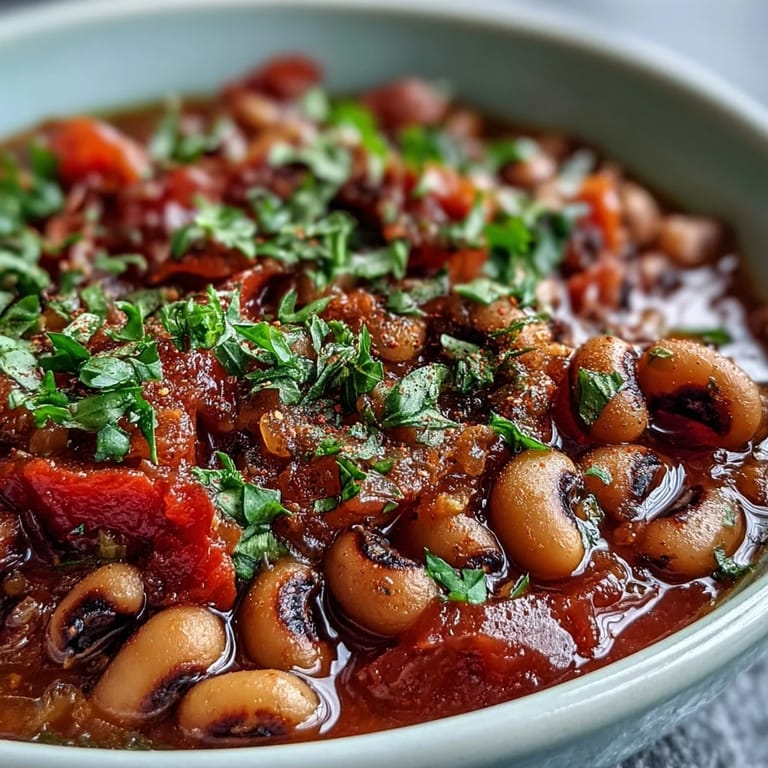
- Ladle this into bowls while it's still steaming, then top with parsley, feta if you're not vegan, and a squeeze of lemon that brings everything into focus. The lemon is essential, not optional, it's what makes people pause and ask you what you did differently.
 Save
Save There was a night when my daughter came home discouraged from school, and I watched her expression change completely when she tasted this dish at dinner. She said it tasted like a place she'd never been, and we spent the rest of the meal planning an imaginary Greek island trip. Food has this quiet power to shift a mood, to remind you that care is the real ingredient.
When to Make This
This is a fall and winter recipe at heart, when you want your kitchen warm and your evening unhurried. I make it on days when I'm working from home or have errands that keep me nearby, so I can check on the aroma and adjust the flavor as needed. It's also perfect for those moments when you want to feed a group without spending hours in the kitchen, because slow cookers are honest that way.
How to Make It Heartier
Serve it over rice or alongside crusty bread that you can use to push the beans around and catch every bit of that silky broth. I've also spooned it over creamy polenta, which adds richness and makes it feel more like a main course if that's what your table needs. Some people add spinach or kale in the final thirty minutes, which adds color and a gentle green bitterness that plays beautifully against the sweetness of the tomatoes and carrots.
What Pairs Well with This
A crisp Sauvignon Blanc cuts through the richness beautifully, or if you want to stay true to Greece, a glass of Assyrtiko brings minerality and brightness. Even without wine, fresh lemon juice squeezed over each bowl is your best friend, awakening flavors that might otherwise feel a little sleepy. A simple green salad on the side never hurts either, the acidity and crispness balance the warm, rich beans perfectly.
- Keep extra lemon wedges on the table, people will use them without asking if they taste how much better the dish becomes.
- If you have fresh oregano, use it as a garnish instead of the parsley, it'll make you feel Mediterranean and taste like you tried harder than you did.
- Feta cheese is optional but it transforms the whole thing from vegetarian comfort into something that feels both elegant and homey.
 Save
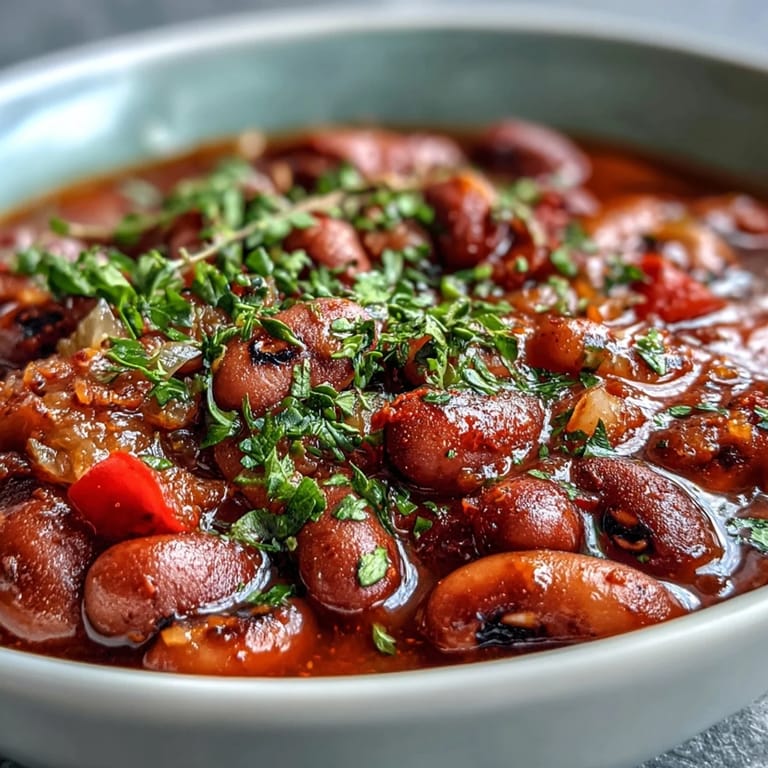
Save This recipe became mine the moment I stopped following it exactly and started trusting my instincts about what my pot needed. I hope it becomes yours the same way, not a set of rules but a starting point for something warm and true.
Recipe Guide
- → Do I need to soak black-eyed peas before cooking?
Unlike many dried beans, black-eyed peas don't require pre-soaking for this slow cooker method. They cook perfectly through the long simmering process, becoming tender while maintaining their shape.
- → Can I use canned black-eyed peas instead?
Yes, you can substitute canned beans. Reduce the cooking time to 2-3 hours on low since canned peas are already cooked. The flavors will still develop beautifully, though the texture may be slightly softer.
- → What can I serve with these black-eyed peas?
Crusty bread for soaking up the flavorful broth is ideal. They also work well served over rice, quinoa, or with roasted potatoes. For a complete meal, add a simple green salad with lemon dressing.
- → How long will leftovers keep?
Store cooled leftovers in an airtight container for up to 5 days in the refrigerator. The flavors continue to develop over time, often tasting even better the next day. Freeze for up to 3 months.
- → Is this suitable for meal prep?
Absolutely. This dish freezes exceptionally well and reheats perfectly. Portion into individual containers for easy grab-and-go lunches throughout the week. The texture holds up beautifully after freezing.
- → Can I make this on the stovetop instead?
Yes, simmer in a Dutch oven or heavy pot over low heat for 1.5-2 hours until tender. Add more broth as needed during cooking. The slow, gentle heat is key to developing the Mediterranean flavors.